
You keep a small home problem from becoming a big repair by catching it early, stopping the cause rather than covering the symptom, and keeping up with a short seasonal routine. Most expensive repairs start as something minor: a drip, a clogged gutter, a dirty filter, a failing caulk line. Water is the biggest driver, so the highest-value habits are checking for moisture, directing water away from the house, and fixing leaks quickly.
Some warning signs are not “small” and should not wait for a routine. A smell of gas, sparking or scorched outlets, or water coming through a ceiling near light fixtures means leaving the area as needed and calling the gas utility’s emergency line, emergency services, or a licensed electrician. The rest of this guide is for problems that are early and stable enough to handle on a schedule.
Why small problems grow
Most home damage compounds over time.
- Water gets into materials and stays. Wood rots, drywall softens, insulation loses value, and mold can grow. The EPA’s guidance on mold stresses that moisture control is the key, and that wet materials should be dried within 24 to 48 hours.
- Mechanical parts wear faster when neglected. A clogged filter makes a furnace blower or AC work harder.
- Cracks and gaps widen. Failed caulk lets water in, which in cold climates freezes, expands, and opens larger gaps.
- Loose electrical connections can heat up. That is why warm outlets and repeated trips deserve a licensed electrician rather than another reset.
- Pests find openings. A gap at a vent or a rotting trim board becomes an entry point.
The aim is not perfection. It is to notice change early, because change is what signals a problem.
Early warning signs worth acting on
Treat these as prompts to investigate within days, not months.
- A new stain, bubble, or soft spot on a ceiling, wall, or floor. See when a ceiling stain means an active problem.
- A musty smell that does not clear.
- A drain that slows down or gurgles. See what to check before a clogged drain becomes an emergency.
- A faucet or toilet that drips or runs. The EPA’s WaterSense program notes that a leaking toilet can waste on the order of 200 gallons a day.
- A rising water or energy bill with no change in use.
- A breaker that trips repeatedly, or outlets that feel warm. Do not keep resetting it; call a licensed electrician.
- Heating or cooling that runs longer, works unevenly, or makes new noises.
- Doors or windows that begin to stick, or cracks that widen. See when a wall crack is just cosmetic.
- Rust, corrosion, or white crusty deposits on pipes and fittings.
- Peeling paint or caulk that has pulled away, especially in wet areas.
A seasonal checklist
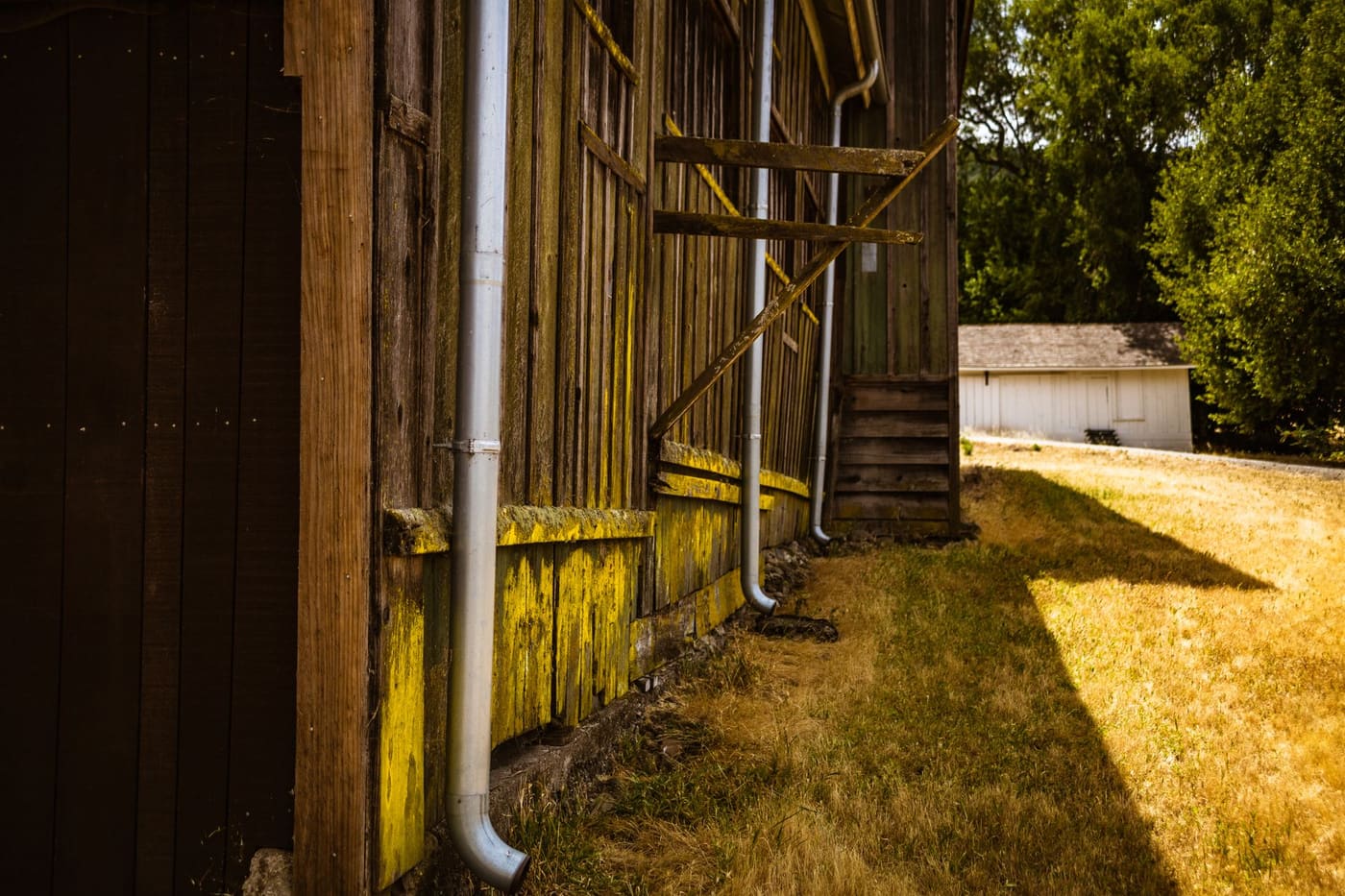
Spread the work across the year so it is never a big project, and adjust for your climate.
| Season | Tasks |
|---|---|
| Spring | Look over the roof from the ground for missing or lifted shingles; clean gutters and check downspouts; check siding and trim for winter damage; have the AC serviced; test GFCI outlets; look under sinks for leaks |
| Summer | Check caulk around tubs, showers, and windows; look for moisture in the crawl space or basement; clean the dryer vent; trim vegetation back from the house and outdoor AC unit |
| Fall | Clean gutters again after leaves drop; have the furnace serviced; replace the furnace filter; seal gaps around doors and windows; drain and disconnect outdoor hoses; test smoke and carbon monoxide alarms |
| Winter | Watch for ice dams and icicles; keep pipes in unheated spaces protected; know where the main water shutoff is; check for drafts; watch indoor humidity |
For humidity, the EPA recommends keeping indoor relative humidity between about 30 and 50 percent. For alarms, NFPA guidance is to replace smoke alarms 10 years after the manufacture date printed on the back, and carbon monoxide alarms and combination units follow the manufacturer’s stated life, which varies by model.
Keep water away from the house
Water management is the best return on time.
- Gutters and downspouts: Clean them at least twice a year, more under trees. Extend downspouts or use splash blocks so water lands well away from the foundation.
- Grading: Soil near the foundation should slope away from the house. The International Residential Code, which many local codes build on, calls for a fall of about 6 inches within the first 10 feet where site conditions allow.
- Roof: Look for cracked, curled, or missing shingles and damaged flashing from the ground or with binoculars. Hire a roofer for anything on the roof itself; falls from roofs are serious.
- Caulk and sealants: Replace cracked caulk around windows, doors, tubs, and sinks.
- Plumbing: Check under sinks and around the toilet and water heater for moisture. Operate the main shutoff once a year so you know it works.
- Appliance hoses: Look over washing machine hoses for bulges or cracks. Many manufacturers suggest replacing rubber hoses periodically and braided stainless steel hoses are a common upgrade; check your appliance manual for the interval.
- Sump pump: If you have one, pour a bucket of water into the pit and confirm that the pump runs and drains.
If you do find a leak, act fast using what to do first when you find a water leak.
Heating, cooling, electrical, and safety basics
Heating and cooling: Check the filter monthly and replace it at least every three months, or as the filter’s label says; ENERGY STAR gives that guidance. Keep the area around the outdoor unit clear. Annual professional service for heating and cooling is common practice, and fuel-burning equipment and chimneys should be inspected regularly by a qualified technician.
Electrical: Test GFCI outlets monthly with the test button. Do not overload circuits with space heaters and extension cords. Do not open the panel or do wiring beyond what a qualified person would do. See electrical problems that are not safe to DIY.
Fire and carbon monoxide safety: Smoke alarms belong on every level and in each bedroom, and carbon monoxide alarms near sleeping areas. Clean the dryer vent regularly, since lint buildup is a fire hazard. If a carbon monoxide alarm sounds, get everyone outside into fresh air and call emergency services.
Keep a simple home log
A log pays off in time saved and in easier conversations with contractors.
- A running list of repairs with dates, contractor names, and warranties.
- Model and serial numbers for major appliances and systems, with installation dates.
- Photos of the inside of walls before drywall goes up during remodels, showing where pipes and wires run.
- Dated photos of any cracks or stains you are monitoring.
A notes app or a folder in a drawer is enough. The goal is to be able to answer “when did this start?” and “how old is this?” What to document before calling a home repair pro covers what a good record includes.
Fix the cause, not the symptom
Do not patch what you have not diagnosed.
- Do not paint over a stain before checking whether it is dry and where the water came from.
- Do not keep resetting a breaker without finding out why it trips.
- Do not run chemical drain cleaners again and again, which can harm pipes and hide a bigger clog. Never mix cleaning products, since some combinations release toxic gas.
- Do not caulk over a crack that is still moving, because it will reopen.
- Do not ignore a slow leak. Slow leaks do hidden damage, as how to know if a small leak has caused hidden damage explains.
A moisture meter is one of the more useful low-cost tools for homeowners because it shows what your eyes cannot, though its readings are relative and best compared with a known-dry spot.
Know what to leave to a pro
Early action does not mean doing everything yourself. Bring in a licensed professional for gas appliances, electrical panels and new circuits, roof work, structural concerns, main sewer or water lines, refrigerant, and any suspected asbestos, lead, or widespread mold. If the cause is unclear, a paid diagnosis is often cheaper than a big repair that could have been avoided. To order several issues at once, see how to prioritize home repairs when everything feels urgent.
The EPA advises that homes built before 1978 may contain lead-based paint, and asbestos can be found in some older materials. Test before sanding, scraping, or demolishing, and use certified professionals where the rules require them.
Where this comes from
This guide is based on the EPA’s guidance on mold and moisture and on indoor humidity, the EPA’s WaterSense information on toilet leaks, NFPA guidance on smoke and carbon monoxide alarm replacement, and ENERGY STAR’s furnace filter advice, plus the International Residential Code’s drainage provision for grading. The seasonal checklist is common maintenance practice rather than a single published standard. Costs, service intervals, and code requirements change and vary by area, so check them at the source and with your local building department.