Prioritize home repairs in this order: first anything that threatens safety (electrical hazards, gas, carbon monoxide, structural movement), then anything that lets water in or spreads damage (leaks, roof, drainage), then systems that fail expensively if ignored (heating, cooling, water heater), then efficiency and comfort, and last cosmetic work. Within each tier, fix what is getting worse fastest and what costs the most if it waits. Stable cosmetic problems can wait indefinitely.
When the list has twelve items and the budget has room for two, the hard part is not knowing what is broken but deciding the order. A simple tier system and a few fixed rules turn a stressful pile into a plan.
Sort by risk, not by annoyance
The loudest or ugliest problem is rarely the most important. Sort every item into one of four tiers.
| Tier | What belongs here | Timing |
|---|---|---|
| 1. Safety | Gas smell, burning smell, sparking outlets, missing or dead smoke and carbon monoxide alarms, sagging ceilings, failing stairs or railings, exposed wiring | Stop use now and get help |
| 2. Active damage | Leaks, roof leaks, sewage backup, wet drywall, window or flashing failures, gutters dumping water at the foundation | Within days |
| 3. System failure risk | Aging water heater, heating and cooling problems, failing sump pump, wiring on an old panel | Within weeks to months |
| 4. Comfort, efficiency, cosmetic | Paint, trim, worn flooring, drafts, outdated fixtures | Schedule and budget |
Tier 1 has a hard edge. If you smell gas, leave the building and call the gas utility’s emergency number or emergency services from outside, and do not operate switches or phones inside. If an outlet or panel is sparking, scorched, or hot, stay away from it, do not use it, and call a licensed electrician, or the fire department if you see smoke or flames. If a carbon monoxide alarm sounds, get everyone into fresh air and call emergency services. None of these are quote-and-wait problems, and none are DIY.
Alarms are the cheapest item on the list and should never be waiting on it. NFPA guidance is to replace smoke alarms 10 years after the manufacture date printed on the back, and carbon monoxide alarms by the manufacturer’s stated life.
Ask three questions about each problem
For every item, give a quick yes or no, or a score from 1 to 3.
- Is it getting worse? Active problems like a growing stain or a spreading crack climb the list. Stable ones can wait.
- What does waiting cost? A small roof leak that soaks insulation and drywall can turn a modest repair into a much larger one. A scuffed wall costs nothing to wait.
- Can it hurt someone? Falls, fire, electrical shock, gas, mold in living spaces, and structural failure outrank everything.
Add a fourth question if you can: how hard is it to fix later? Some jobs get harder with time, such as rot spreading through framing. Others, like repainting, cost the same next year.
Items that score high on all three go to the top. Write the list with a column for each. It makes the order visible and gives you something to hand a contractor.
Water first, almost every time
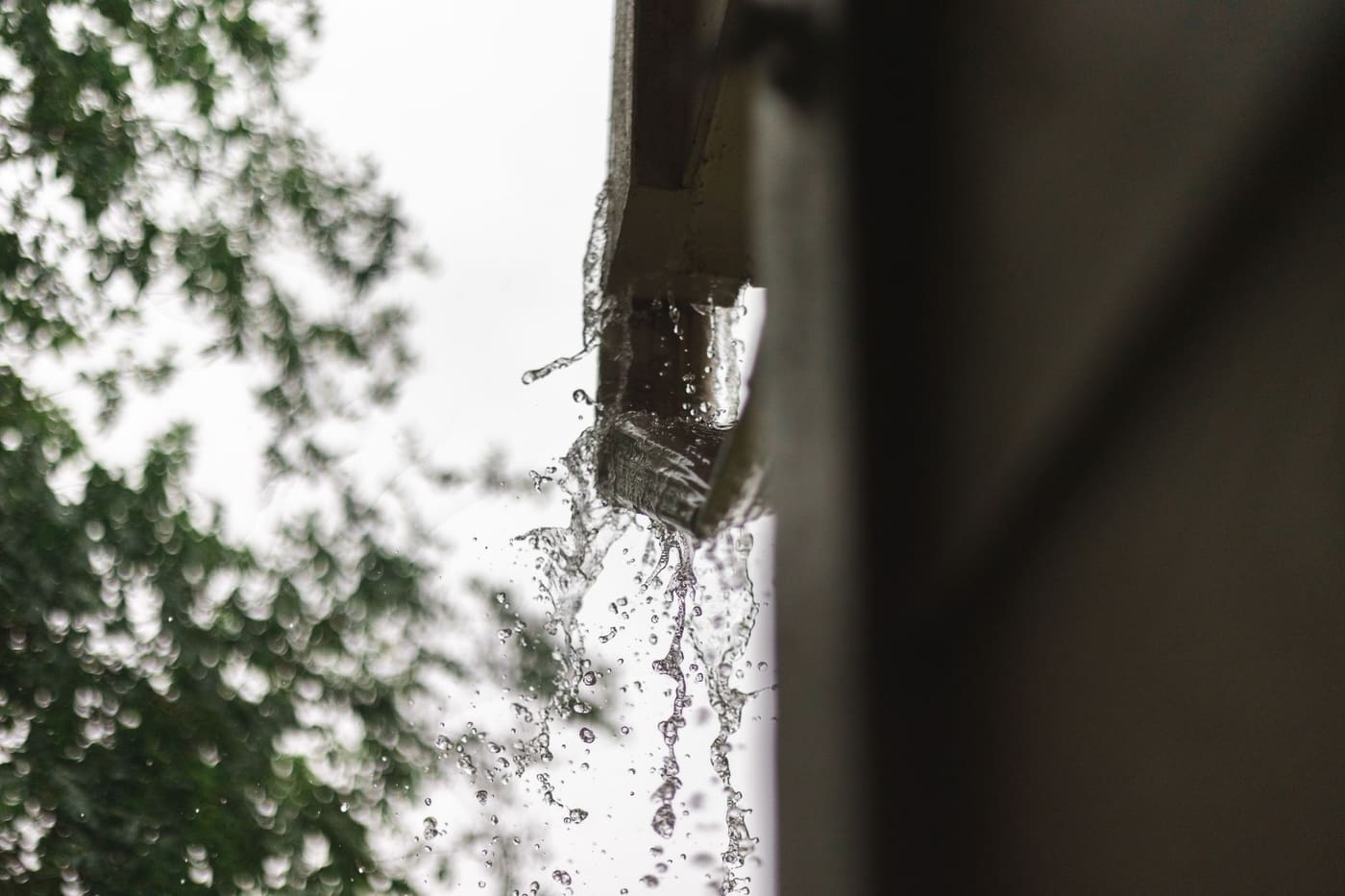
Water rots wood, grows mold, ruins insulation, stains ceilings, and can undermine foundations. The EPA’s mold guidance makes the same point from the health side: moisture control is the key, and water-damaged materials should be dried within 24 to 48 hours. So leaks, roof issues, and drainage jump the line over many other problems.
- Stop active leaks and clogged drains before cosmetic repairs.
- Fix gutters, downspouts, and grading that send water toward the foundation.
- Replace failed caulk and flashing before water gets behind siding or into a wall.
- Check the age of the roof and the condition of flashing at chimneys and vent pipes, from the ground or with binoculars.
For immediate steps when water is active, see what to do first when you find a water leak. For problems that look stable, keeping a small home problem from turning into a big repair shows the early signs to track.
Group jobs that share access or trades
A smart order is not just about risk but also about efficiency.
- Same trade, same visit. If you need an electrician for two issues, bundle them, since many tradespeople charge a minimum visit fee.
- Do invasive work before finishes. Open walls, rewire, or fix plumbing before you paint or lay flooring.
- Fix the cause before the symptom. Do not repaint a ceiling before the leak is stopped.
- Work top to bottom and outside to inside. Roof and gutters before interior ceilings, and exterior sealing before interior paint.
- Combine with planned projects. If a kitchen remodel is coming, hold off on cosmetic work in that room.
Avoid a cheap cosmetic fix on something that will need to be torn out soon.
Put costs and timing next to each item
Add a rough cost range and a deadline to each item. Exact numbers are not needed at the planning stage, and prices vary a great deal by region, so treat any figure you find, including from friends and online lists, as a starting point. Get written quotes for bigger items; how to decide which home problem needs a quote first explains which ones to start with.
Some owners set money aside each year for maintenance and repairs. How much is a personal choice. Older homes, and homes with older roofs and systems, tend to need more, so base the amount on the age of what you actually have rather than a flat rule.
Use a realistic budget method
- Total the Tier 1 and Tier 2 costs. These come first, even if they exceed what you planned.
- Fund Tier 3 as a plan. Replacing an aging system before it fails is usually calmer than an emergency swap. Energy.gov puts the typical life of a storage tank water heater at roughly 10 to 15 years, so age is a useful trigger to start planning.
- Set a quarterly or yearly slot for Tier 4 and do what fits.
- Be careful with financing. Read the terms, since high-interest borrowing can cost more than a short delay on a non-urgent repair.
- Check assistance programs. Utilities, local governments, and some nonprofits offer rebates or help with efficiency upgrades and repairs. Availability varies widely.
Insurance may cover sudden damage but commonly excludes wear, deferred maintenance, and gradual leaks. Read your policy and ask your agent before assuming anything is covered.
Know when to pause and hire a pro
If you cannot tell which tier something belongs in, get a professional’s eyes on it. A home inspector, a structural engineer, or a trade specialist can tell you what is cosmetic and what is serious. That diagnosis can keep you from paying for a major repair you did not need, or from ignoring one you did.
Leave gas, electrical panels and new circuits, structural elements, roofing, and suspected hazardous materials to licensed professionals, even to save money. The EPA advises that homes built before 1978 may contain lead-based paint, and some older materials contain asbestos, so test before sanding or demolishing. When to call a pro instead of trying a DIY fix has the decision rules.
Reassess every few months
A priority list is a snapshot. Stable items can become active, and a postponed repair can change tier after a storm or a cold snap. Walk the house with the list each season. Re-measure cracks, re-check stains against a dated pencil outline, test the sump pump, and look at the gutters. Move anything that has changed up a tier and cross off what is done.
Keep the list in one place, with dates, so you can see how fast things are progressing and show a contractor the history. A problem that has not changed in a year is rarely urgent. A problem that changed twice in a month is.
Where this comes from
This guide is based on the EPA’s guidance on mold and moisture and on lead and asbestos in older homes, NFPA guidance on smoke and carbon monoxide alarm replacement, and Energy.gov’s information on water heater lifespans. The tier system is practical reasoning for sorting risk, not a published standard. Costs, rebates, insurance terms, and local requirements change and differ by area, so check them with the source, your insurer, and your local building department.