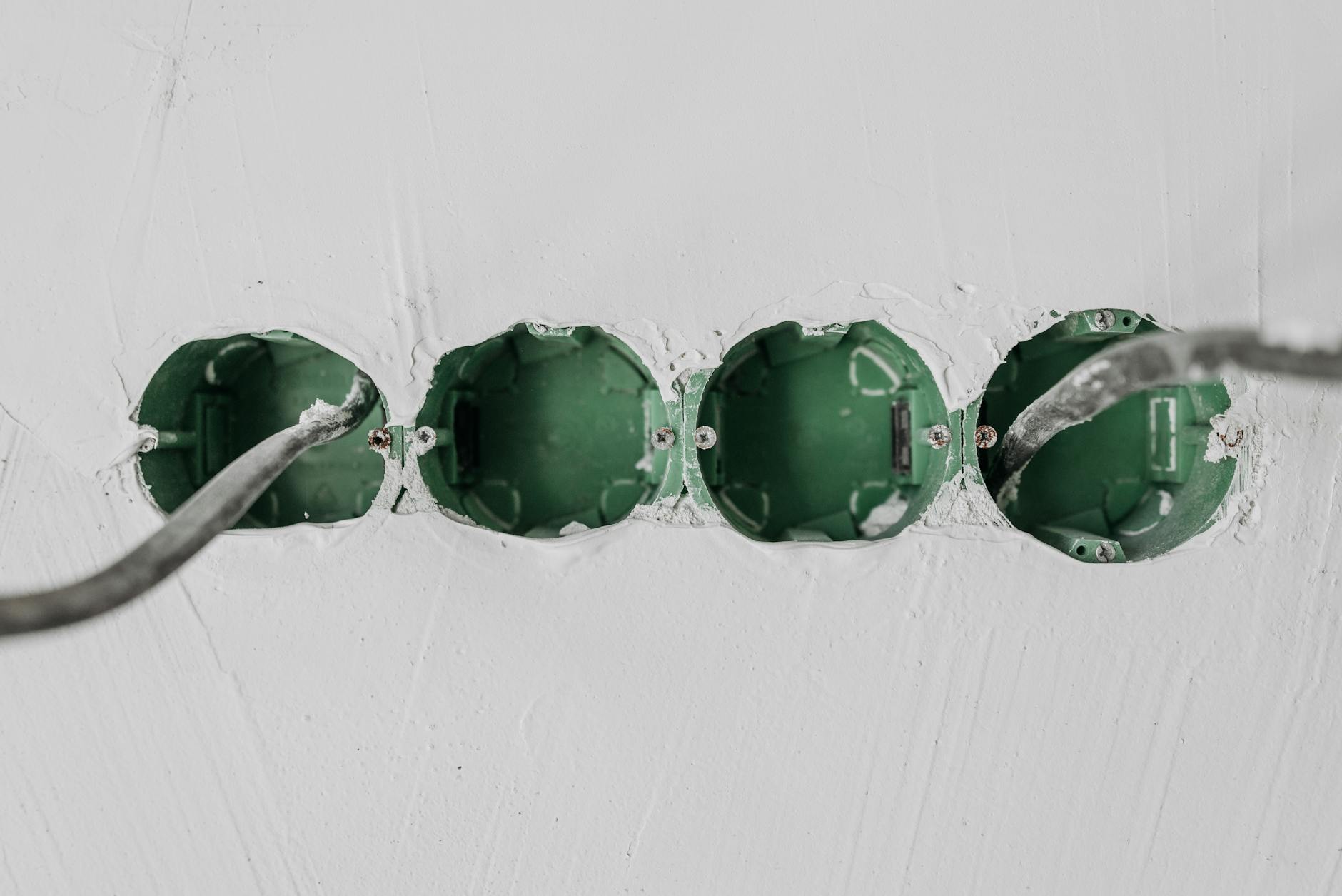
Anything inside the service panel, any new circuit, wiring inside walls, aluminum or knob-and-tube wiring, and any problem you cannot explain should go to a licensed electrician. The same goes for a burning smell, a warm or discolored outlet, buzzing or sparks, and a breaker that keeps tripping. A few simple jobs, such as swapping a bulb or replacing a lamp plug, are different, but the line is closer than most people think.
Electricity gives little warning before it injures, and a poor connection can overheat inside a wall long before anyone notices. This guide covers what to leave to a professional, the warning signs that mean stop and call, and the limited tasks that are reasonable. It deliberately gives no instructions for live electrical work, because an article is not the place to learn that.
Warning signs: stop and call now
The Electrical Safety Foundation International (ESFI) lists these as signs of a possible wiring problem: lights that flicker or dim, a burning smell, discolored switches or outlets, warm outlets or switches, buzzing, crackling or sizzling from receptacles, sparks from an outlet, a tingling feeling when you touch an appliance, and frequent tripped breakers or blown fuses. ESFI advises hiring a qualified electrician to inspect the system when you see them.
Treat these as urgent, not as a weekend project.
- A burning, fishy or hot-plastic smell near an outlet, switch or panel.
- Outlets or switch plates that feel warm or hot, or have brown or black marks.
- Sparks, crackling, sizzling or buzzing from an outlet, switch or the panel.
- A breaker that will not reset, or that trips again right away.
- Lights that dim when an appliance starts, or flicker across several rooms.
- A tingle or shock when touching an appliance or faucet.
- A panel that is hot, rusted or water-stained.
- Scorched or melted insulation on any wire you can see.
What to do: stop using the affected outlet or appliance, switch off the breaker if you can reach the panel safely and your hands and floor are dry, and call a licensed electrician. If you see smoke or flames, or the smell is strong, leave the house and call your local emergency number. Do not wait to see whether it passes. For a tripping breaker, see why a breaker keeps tripping in one room.
Anything involving water is its own threshold. Flooded outlets, a wet panel or wiring in a water-damaged area should be left alone until an electrician has cleared it. If you would have to stand in water to reach the panel, do not go near it, and call your electric utility or an electrician.
Work that belongs to a licensed electrician
These jobs carry a risk of electrocution, fire or code violations that can complicate an insurance claim.
- Anything inside the main service panel. The incoming utility wires stay energized even with the main breaker off.
- Panel replacement or upgrades. These generally need a permit and an inspection.
- The service mast, meter socket and service entrance wiring. The utility controls these.
- New circuits. A circuit for a range, dryer, EV charger, hot tub or subpanel involves load calculations, wire sizing, breaker matching and usually permits.
- Aluminum branch wiring. Some homes from roughly the mid-1960s to mid-1970s have it. It needs special connectors or an approved repair method and is not a casual job.
- Knob-and-tube wiring. It is old, ungrounded and often brittle. Have an electrician evaluate it, particularly where insulation has been added around it.
- Tracing a dead circuit or hidden fault. The cause may be a failed splice in a wall or box you have not found.
- Generator connections and transfer switches. Feeding a house through an outlet can electrocute utility workers and is illegal in most places.
Older hardware worth having inspected
- Old panels and fuse boxes. An electrician can check a decades-old panel during any visit. A fuse that is larger than the circuit’s rating, or a coin placed behind a fuse, is a fire hazard.
- Two-prong, ungrounded outlets. Swapping in a three-prong outlet does not create a ground. A properly installed GFCI outlet labeled for no equipment ground is one accepted option, and rewiring is another. Ask an electrician.
- Permanent extension cords and daisy-chained power strips. They are a common sign that you need more circuits.
ESFI also suggests an electrical inspection if your home is 40 or more years old, if it is 10 or more years old and has had major renovations or large new appliances added, or if you have just bought a previously owned home.
What homeowners can usually do safely
Rules vary: some places require a licensed electrician for nearly all work, while others allow homeowners to work on their own property with a permit. Check locally before you start.
| Task | Level | Notes |
|---|---|---|
| Replace a plug on a lamp or small appliance | Usually fine | Unplug first and use the correct plug |
| Change a bulb or switch to LED | Fine | Match base and fixture rating |
| Reset a tripped breaker or GFCI once | Fine | If it trips again, stop |
| Install a plug-in smoke or CO alarm | Fine | Follow the manufacturer’s placement guidance |
| Replace a switch, outlet or fixture | Hire out unless experienced | Needs the circuit off and confirmed dead |
| Anything in the panel | No | Licensed electrician only |
A non-contact voltage tester can give false readings, so a proper meter test is the real confirmation, and if you do not know how to use one, that is a sign to hire the job out. Even simple-looking jobs hide traps: a switch may be a three-way or a dimmer, or a switch loop may carry a hot wire in a white conductor. If the wiring does not match what you expect, stop.
GFCI and AFCI protection
A GFCI (ground-fault circuit interrupter) cuts power in a fraction of a second when current leaks to ground, as it would through a person. Electrical codes generally require them in kitchens, bathrooms, garages, outdoors, basements, laundry areas and near sinks, though the details depend on the code edition your area uses. Test them with the test and reset buttons. An AFCI (arc-fault circuit interrupter) detects arcing patterns in wiring and is required in many living areas for newer work. Repeated nuisance trips can come from a real wiring problem, so diagnosing them is an electrician’s job.
An older home without GFCI protection in wet areas is worth discussing with an electrician, who can often protect several outlets from one device.
Permits, insurance and hiring
Unpermitted electrical work can surface when you sell, and some insurers may contest a claim if a fire traces to unlicensed work. Ask a licensed electrician whether your job needs a permit, and expect a reputable one to handle it.
When you call, give details: which circuits, what you noticed, when it started, and whether anything smells or feels hot. What to document before calling a home repair pro lists notes and photos that speed diagnosis, and when to call a pro instead of trying a DIY fix covers the wider decision.
- Confirm the electrician’s license with your state or local licensing board and ask for proof of liability insurance.
- Get at least two written estimates for panel or circuit work that spell out scope, materials and permits.
- Be wary of anyone who skips permits, asks for full payment up front, or pushes a full rewire without explaining the findings.
For a quick list of warning signs that mean stop and call, use the stop-and-call-now checklist.
Where this comes from
The warning-sign list and the inspection guidance come from the Electrical Safety Foundation International’s home electrical safety pages. The general limits on panel work, permits and GFCI and AFCI protection reflect standard electrical practice rather than a specific document I reviewed, and local code editions differ. Costs, permit rules and licensing requirements change and vary by area, so check them with your local building department and licensing board.