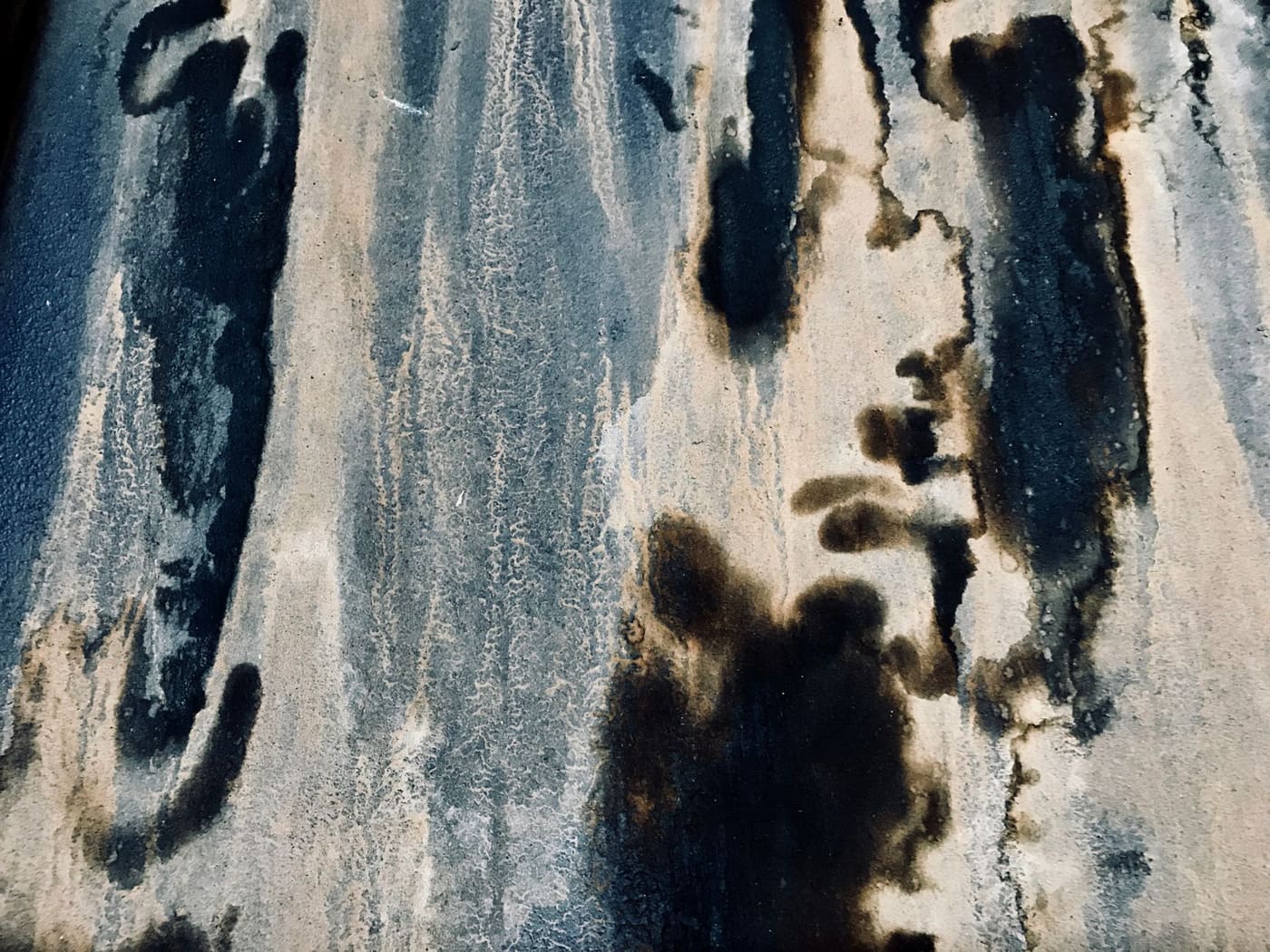
A small leak has probably caused hidden damage if you notice a musty smell that cleaning does not remove, paint that bubbles or peels, stains with rings, warped or soft flooring, a spongy wall, or a water bill that has risen without a reason. A leak that has run for days, or dripped slowly for weeks, can soak insulation, framing and subfloor where you cannot see it. If water is still escaping, start with what to do first when you find a water leak.
A drip under a sink looks minor, but water spreads into cabinet floors, drywall and framing. The EPA says to dry water-damaged areas and items within 24 to 48 hours to prevent mold growth, so a leak that was only noticed after weeks has often passed that point. This guide covers the signs, the checks you can do yourself, and where a professional should take over.
Why small leaks cause outsized damage
Wood framing, drywall and subfloor absorb water and hold it. Drywall’s paper facing is a food source for mold, and wood that stays damp for long periods can decay. Metal fasteners corrode, and a pinhole leak in a pipe can spray into a wall cavity unseen.
A slow leak also hides because it can evaporate nearly as fast as it arrives, leaving damp material and no puddle. The damage then shows up months later as a stain, a soft floor or a smell.
Visual signs to look for
- Paint that bubbles, peels or blisters on walls or ceilings.
- Stains in tan, brown or yellow, sometimes with rings. When a ceiling stain means an active problem explains how to tell old from active.
- Warped, cupped or buckled flooring. Hardwood cups when the underside is wetter than the top, and laminate swells at the edges.
- Loose vinyl or tile, and grout that is crumbling or discolored.
- Dark, soft cabinet bottoms and baseboards under sinks.
- Rust on pipe fittings, shutoff valves or the base of a water heater.
- White crusty deposits on masonry or concrete, which can mean moisture is moving through.
- Visible mold, often black, green or gray spots in corners and behind baseboards near the leak.
Smell, sound and feel
Not every sign is visible.
- A musty or earthy smell that returns after cleaning usually points to mold or mildew in a concealed area.
- Soft spots underfoot near a toilet, tub or dishwasher can mean a damaged subfloor.
- Cool or clammy patches on walls or floors can be wet material.
- Hissing or running-water sounds when nothing is on.
- A wall that feels spongy or crumbles when pressed. Dry drywall is firm.
- Condensation or persistent humidity in a room with no obvious cause.
If someone in the home has coughing, sneezing or irritation that eases when they are away, mold may be a factor, though that alone does not prove it. Talk to a doctor about health symptoms. Fixing the moisture source matters as much as cleaning the mold.
Check the water meter and your bill
This test finds supply leaks anywhere in the system.
- Turn off every fixture and appliance that uses water, including ice makers and irrigation.
- Read the meter, or look at the small low-flow indicator that moves when water passes.
- Wait without using water. The EPA’s WaterSense program suggests two hours.
- Read again. If the meter changed at all, you probably have a leak.
To narrow it down, close the main shutoff and read again. If the meter stops, the leak is inside the house. If it keeps moving, the leak may be between the meter and the house. Check the toilets first, since they are a common culprit: put a few drops of food coloring in the tank, and if color reaches the bowl within 10 minutes without flushing, the flapper is leaking. An unexplained rise in your water bill is another flag.
Use a moisture meter
A pin-type or pinless moisture meter is the most useful low-cost tool for this job, and many are sold at hardware stores.
- Take a reading on a surface you know is dry, such as an interior wall far from plumbing, to set a baseline for the same material.
- Scan the suspect area slowly. Readings clearly above baseline point to moisture.
- Check at several heights, because water moves down and wicks upward.
- Follow the manufacturer’s guidance for the material setting, since scales differ between drywall, wood and other materials.
A screwdriver tip that sinks easily into wood suggests rot. Do not probe walls near wires or pipes. If you decide to open a wall, ask a professional to do it or at least turn off the power to that circuit first, since wires may run through the area.
Which materials may need removal
Whether a material can be saved depends on how long it was wet and what the water carried. Clean supply-line water that was dried quickly leaves more options than long-term seepage or sewage.
| Material | Dried quickly after clean water | Wet for long, moldy or contaminated |
|---|---|---|
| Drywall | Often dries in place if not saturated | Cut out above the wet line |
| Insulation | May dry if lightly wet | Often replaced when saturated or moldy |
| Carpet pad | Usually discarded | Discard |
| Carpet | May be saved if dried fast | Replace if moldy or from sewage |
| Hardwood | Sometimes recoverable | Often cupped or stained beyond repair |
| Particleboard subfloor | Swells and weakens, often replaced | Replace |
| Solid wood framing | Often dries and is salvageable | Rot may need a structural repair |
The EPA notes that absorbent materials such as ceiling tiles and carpet may have to be thrown away if they become moldy, because the mold can be hard or impossible to remove completely. It also says routine use of bleach or other biocides is not recommended during mold cleanup, since dead mold can still cause reactions and has to be removed. Never mix bleach with ammonia or other cleaners.
For small jobs the EPA recommends an N-95 respirator, long gloves and goggles without vent holes. In a home built before 1978, test suspect paint for lead and old flooring or textured materials for asbestos before cutting or sanding.
When to call a professional
- The moisture readings are high over a wide area, or you cannot find the source.
- Mold covers more than about 10 square feet. The EPA says that below roughly 10 square feet, many people can handle cleanup themselves, and larger areas call for professional advice.
- Mold is inside a wall, or the damage came from sewage or flooding.
- Flooring has buckled or the subfloor is soft.
- Joists or framing show rot, since structural repairs belong to a contractor.
- A pipe is leaking inside a wall, ceiling or slab. Leak detection services and slab repairs vary widely in cost, so get written quotes.
- You may file an insurance claim. Document before you remove anything, as described in what to document before calling a home repair pro. Coverage varies, and long-term seepage is often excluded, so read your policy.
Dry out and recheck
After the leak is fixed, dry the area completely with fans and a dehumidifier, open cabinet doors, and pull baseboards where needed. Recheck moisture readings every few days until they match your dry baseline, and watch for smells and stains returning over the following weeks. Paint and seal only after the area is confirmed dry. A seasonal check routine, as in keeping a small home problem from turning into a big repair, catches leaks earlier.
To check for a hidden leak with your water meter, use the water meter leak test checklist.
Where this comes from
This guide is based on the EPA’s guidance on mold, moisture and your home (24 to 48 hour drying window, 10 square foot threshold, porous materials, bleach, protective gear) and the EPA WaterSense program’s leak-detection advice (meter and toilet dye tests). Other points, such as moisture-meter use and material removal, reflect common restoration practice rather than a single named standard. Costs, insurance terms and local rules change, so check them at the source.