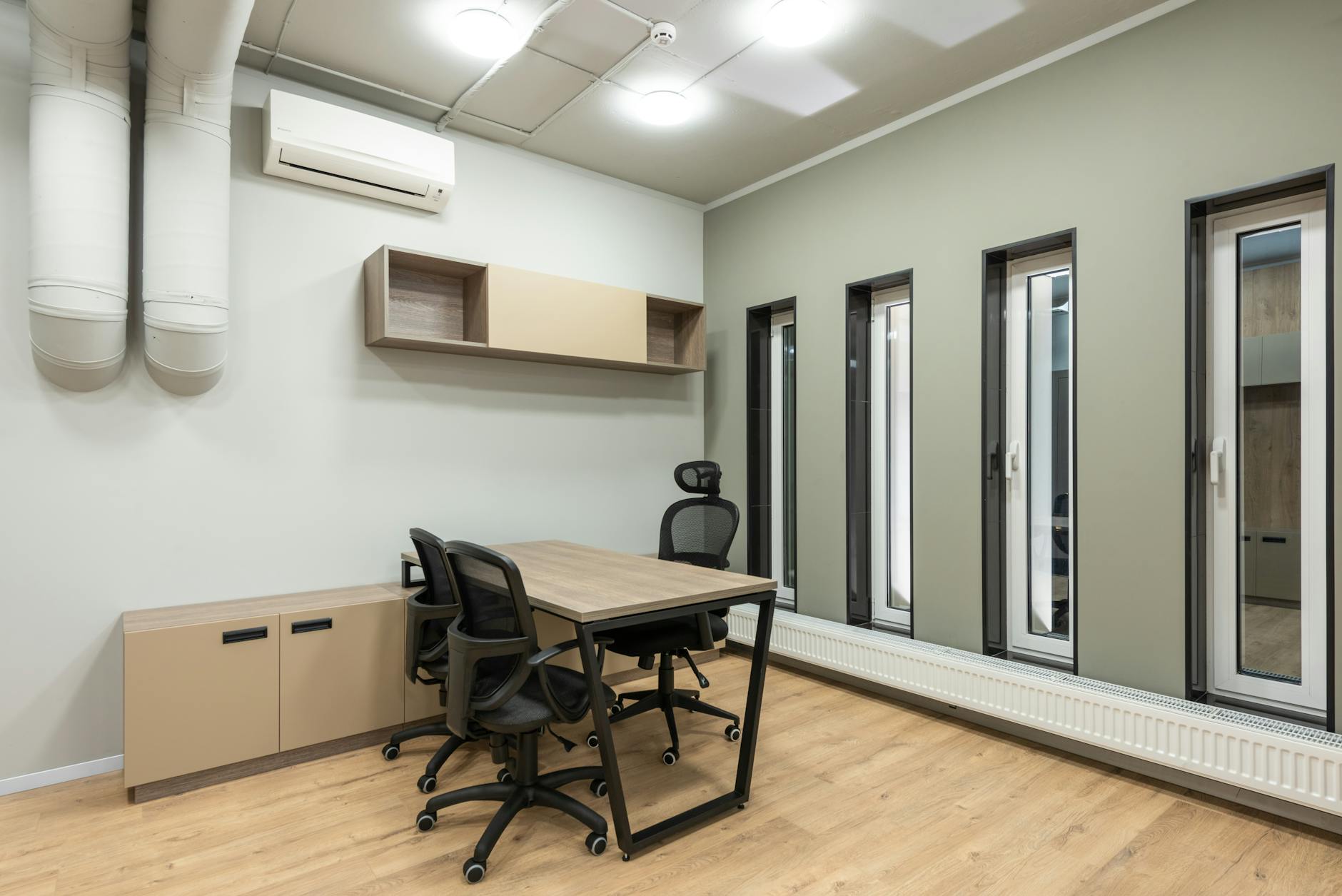
One room is hotter or colder than the rest of the house because of airflow, insulation, sun exposure or duct problems specific to that room. Common causes are a closed or blocked supply vent, a leaky or disconnected duct, thin insulation above the room, large west- or south-facing windows, and a room at the far end of a long duct run. Start with free checks of vents, doors and filters, and move to ducts and insulation only if those do not help.
A difference of a degree or two between rooms is normal in most homes. A gap of several degrees usually means the system is delivering the wrong amount of air to that room, or the room is gaining or losing heat faster than its neighbors. This guide sorts causes from cheapest to most involved.
Start with airflow you can see and feel
Walk to the problem room and use your hand and a thin strip of tissue.
- Is air coming out of the supply vent? Compare the strength with a comfortable room.
- Is the register open? Louvers can be partly closed, and sometimes a damper inside the duct has been shut.
- Is anything blocking it? Furniture, rugs, curtains and toys often do.
- Is the return grille clear? Air needs a path back to the system.
- Is the door closed? A closed bedroom door in a room with supply air but no return can pressurize the room and slow air flow into it. A gap under the door or a transfer grille can help.
Closing vents in unused rooms to save energy often backfires. It can raise pressure in the ducts, increase leakage and reduce airflow elsewhere, and most residential systems are designed to run with the vents open.
Check the filter and the thermostat
A dirty filter restricts airflow throughout the system, and the farthest rooms often suffer first. Check it regularly and replace it when it is dirty or past the manufacturer’s interval. Vacuum dust from supply registers and return grilles as well.
Also look at where the thermostat sits. If it is in a hallway that is cooler or warmer than the problem room, the system can shut off before the far room reaches your setting. For whole-system cooling causes, see what to check when your AC stops cooling properly.
Heat gain and heat loss in the room itself
Sometimes the system is fine and the room is the problem.
| Feature | Effect | Fixes |
|---|---|---|
| Large west or south windows | Strong afternoon sun in summer | Blinds, cellular shades, window film, exterior shading |
| Single-pane or leaky windows | Cold in winter, hot in summer | Weatherstripping, caulk, storm windows |
| Room over a garage | Cold floor in winter, heat in summer | Insulate the garage ceiling and seal gaps |
| Top-floor room under the roof | Hot in summer | Attic insulation and air sealing |
| Room with several exterior walls | More exposure to outside temperature | Insulation upgrades and sealing |
| Room with appliances or electronics | Extra heat | Ventilation and exhaust fans |
A few cheap steps help quickly: caulk gaps around window frames, add door sweeps to exterior doors, and check weatherstripping by holding a thin strip of tissue near the edges on a breezy day. If it flutters, air is leaking. Foam gaskets behind outlet and switch plates on exterior walls can cut drafts, but switch the power off at the breaker before removing any plate, or hire an electrician.
Attic insulation and air leaks
Many rooms under a poorly insulated attic run hot in summer and cold in winter. Recommended insulation levels depend on your climate zone, so check the ENERGY STAR and US Department of Energy guidance for your area instead of relying on a single number. If you can see the tops of the ceiling joists, you may have less than you need.
Air leaks matter as much as depth. Gaps around recessed lights, attic hatches, plumbing and wiring penetrations and the tops of interior walls let conditioned air out. Sealing them and weatherstripping the attic hatch are cost-effective steps. Do not cover heat-producing fixtures that are not rated for insulation contact, and never block flues from gas or other combustion appliances.
Attics are hot, have exposed nails and often have no flooring. Walk only on joists or boards laid across them, never on the drywall between, and consider hiring this out. How to keep a small home problem from turning into a big repair shows how to schedule safer, routine checks.
Ductwork problems
If airflow is weak with open vents and a clean filter, the ducts may be the cause.
- Disconnected or torn flexible duct in an attic, basement or crawl space.
- Crushed or kinked duct that restricts air.
- Leaky joints that let conditioned air escape into unconditioned space.
- Poor design, such as a long run to the far room, undersized duct, or no return in the room.
- Uninsulated ducts in an attic or crawl space, which deliver air at the wrong temperature.
- Closed or stuck dampers.
ENERGY STAR notes that sealing and insulating ducts can help with common comfort problems such as rooms that are too hot in summer or too cold in winter. Visible leaks can be sealed with mastic or foil tape rated for ducts, and loose sections can be reattached and sealed. Ordinary cloth duct tape tends to dry out and fail. A technician can also test duct leakage and rebalance dampers to send more air to the room.
An oversized system can cool quickly but unevenly, switching off before air reaches distant rooms, while an undersized one cannot keep up on the hottest or coldest days. A qualified HVAC contractor can run a load calculation, and you should be cautious of quick rules of thumb for sizing.
Short-term comfort fixes
- Use a fan in the room, or run a ceiling fan so it pushes air down in summer.
- Close curtains or blinds on sunny windows during the day.
- Run the system fan on On for a few hours to mix the air, noting it can raise energy use.
- Adjust duct dampers if you have them, in small steps, waiting a day to see the effect.
- Add a return path, such as a door undercut or transfer grille, if the room is closed off.
- Use a portable heater or room air conditioner only as a stopgap. These draw a lot of power and can overload a circuit, so plug them straight into a wall outlet and see why a breaker keeps tripping if the breaker acts up.
When to call a pro
Call an HVAC contractor if the room stays several degrees off after the free checks, if you suspect duct damage in a hard-to-reach space, or if the system runs constantly without keeping up. A home energy audit with duct leakage testing is offered by many contractors and some utilities. If you see smoke from a vent, smell burning, or have no airflow at all, switch the system off and call. Gas furnaces can produce carbon monoxide, so keep working CO alarms on each level and near sleeping areas, and leave the house and call your local emergency number if one sounds.
Where this comes from
The duct sealing and insulation points come from ENERGY STAR’s duct insulation and sealing guidance, which says sealed, insulated ducts can improve rooms that run too hot or too cold. Insulation levels depend on climate, so the guidance points to the ENERGY STAR and US Department of Energy recommendations for your zone. The rest reflects general HVAC practice. Costs, incentives and equipment rules change, so check them with your contractor and the named sources.